.png)
.png)
.png)

Discovering the Hidden Creatures Living Beneath Your Boat
When you dock your boat or anchor in a quiet bay, you might think the water beneath is just empty space. In reality, a fascinating world thrives right under your hull. From tiny organisms to larger marine animals, the underwater environment beneath boats hosts a variety of creatures that play important roles in the ecosystem. Exploring what lives under your boat can deepen your appreciation for the marine world and help you maintain your vessel better.

Common Marine Life Found Under Boats
Boats provide surfaces for many marine species to attach themselves. The hull, keel, and propellers often become homes for several creatures, especially in saltwater environments.
Barnacles: These small crustaceans are among the most common organisms found on boat hulls. They attach firmly and form hard, shell-like coverings. Barnacles can slow down your boat by increasing drag, so regular cleaning is necessary.
Algae and Seaweed: Various types of algae and seaweed grow on submerged surfaces. They can range from thin films to thick mats, sometimes changing the color of your hull.
Mussels and Oysters: In some areas, mussels and oysters attach to boats. They filter water and can form dense clusters, adding weight and resistance.
Sponges and Tunicates: These less obvious creatures often grow on boat bottoms. Sponges filter water and provide habitat for smaller animals, while tunicates look like small sacs or blobs.
Small Fish and Crustaceans: Some fish and crabs use the shadow and shelter under boats as protection from predators. You might spot tiny fish darting around or small crabs crawling on the hull.
How Marine Growth Affects Your Boat
The presence of marine life under your boat is natural but can cause problems if left unchecked.
Increased Drag: Organisms like barnacles and algae create rough surfaces that slow your boat down. This means your engine works harder, using more fuel.
Damage to Hull: Some species, such as certain types of sponges or mollusks, can damage the paint or protective coatings on your boat.
Corrosion and Fouling: Marine growth can trap moisture against the hull, accelerating corrosion, especially on metal parts.
Spread of Invasive Species: Boats traveling between different water bodies can unintentionally carry invasive species attached to their hulls, disrupting local ecosystems.
Regular maintenance, including cleaning and applying antifouling paint, helps manage these issues.

Tips for Managing Marine Growth
Keeping your boat clean and free from excessive marine life improves performance and protects the environment.
Use Antifouling Paint: This special paint prevents organisms from attaching easily. Choose the right type based on your boating area and water conditions.
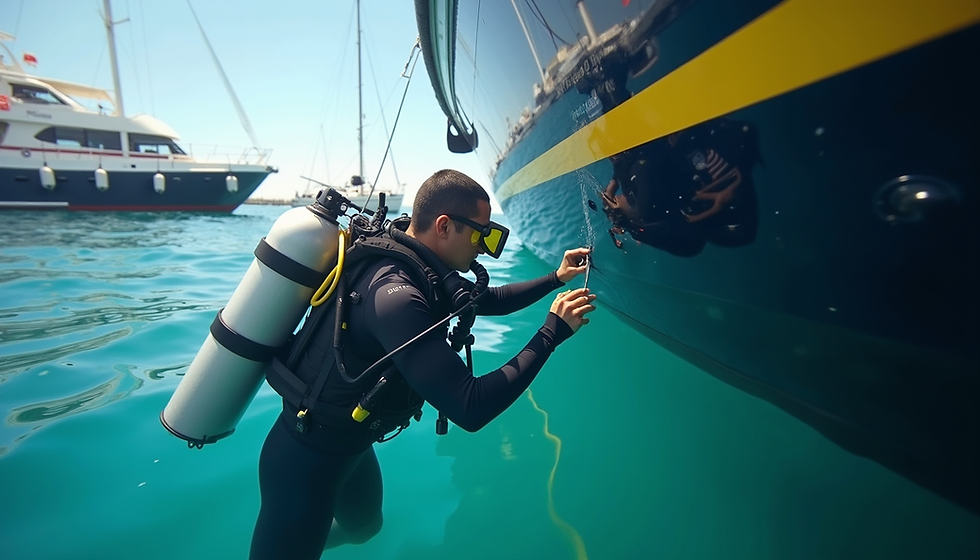
Regular Cleaning: Inspect and clean your hull frequently, especially if you leave your boat in the water for long periods. Removing growth early is easier and less damaging.
Dry Docking: When possible, remove your boat from the water for thorough cleaning and maintenance.
Check Propellers and Intakes: Marine life can clog propellers and cooling intakes, reducing efficiency and causing overheating.
Be Mindful of Local Regulations: Some areas have rules about cleaning and antifouling products to protect sensitive ecosystems.
Fascinating Creatures You Might Spot
Beyond the usual suspects, you may encounter some surprising residents under your boat.
Sea Anemones: These colorful, flower-like animals attach to surfaces and wave their tentacles to catch food.
Crabs and Shrimp: Small crabs often hide in crevices, while shrimp may swim nearby.
Juvenile Fish: Young fish use the shelter under boats as a nursery area, safe from larger predators.
Sea Stars and Urchins: In rocky or reef areas, these creatures might cling to the hull or nearby structures.
Observing these animals can be a rewarding part of boating, connecting you to the underwater world.
Environmental Impact and Responsibility
Boaters have a role in protecting marine environments. Cleaning your boat and preventing the spread of invasive species helps preserve biodiversity.
Clean Your Boat Between Trips: Remove any attached organisms before moving to a new location.
Use Environmentally Friendly Products: Choose antifouling paints and cleaning agents that minimize harm to marine life.
Respect Wildlife: Avoid disturbing animals living under your boat unnecessarily.
By taking these steps, you contribute to healthier waters and sustainable boating.
Comments