.png)
.png)
.png)

Enhancing Hull Cleaning Performance with Effective Zinc Replacements

Maintaining a clean hull is essential for any vessel to perform efficiently and reduce fuel consumption. Traditionally, zinc anodes have been used to protect hulls from corrosion and fouling. However, with growing environmental concerns and the need for improved cleaning performance, many marine operators are exploring alternatives to zinc. This post explores effective zinc replacements that can enhance hull cleaning while offering environmental and operational benefits.

Why Replace Zinc Anodes?
Zinc anodes have been the standard sacrificial material for hull protection for decades. They work by corroding in place of the metal hull, preventing rust and marine growth. Despite their effectiveness, zinc anodes have some drawbacks:
Environmental impact: Zinc dissolves into the water, contributing to metal pollution in marine ecosystems.
Limited lifespan: Zinc anodes wear out relatively quickly, requiring frequent replacement.
Performance limitations: Zinc may not provide optimal protection in all water types, especially in warmer or brackish waters.
These challenges have prompted the search for alternatives that maintain or improve hull cleaning performance while reducing environmental harm.
Common Zinc Replacement Materials
Several materials have emerged as viable zinc replacements. Each offers unique benefits depending on the vessel type, operating environment, and maintenance practices.
Aluminum Anodes
Aluminum anodes are popular alternatives due to their high electrochemical efficiency and longer lifespan compared to zinc.
Advantages
- Lighter weight, reducing overall vessel weight
- Higher capacity, lasting up to twice as long as zinc
- Effective in saltwater environments
Considerations
- Less effective in freshwater or brackish water
- Requires careful alloy selection to avoid galvanic incompatibility
Magnesium Anodes
Magnesium anodes provide strong protection, especially in freshwater environments.
Advantages
- Highest electrochemical potential among common anodes
- Ideal for freshwater and low-salinity waters
- Longer service life in appropriate conditions
Considerations
- Can cause overprotection in saltwater, leading to coating damage
- More expensive than zinc and aluminum
Hybrid Coatings and Anode Systems
Some modern hull protection systems combine sacrificial anodes with advanced coatings to reduce fouling and corrosion.
Advantages
- Reduced reliance on metal anodes, lowering environmental impact
- Enhanced fouling resistance through specialized coatings
- Potential for longer maintenance intervals
Considerations
- Higher upfront cost
- Requires professional application and monitoring
Improving Hull Cleaning Performance with Zinc Replacements
Switching to effective zinc replacements can improve hull cleaning in several ways:
Reduced fouling buildup: Some alternative anodes release ions that deter marine growth more effectively than zinc.
Longer protection periods: Materials like aluminum last longer, maintaining hull integrity and cleanliness for extended periods.
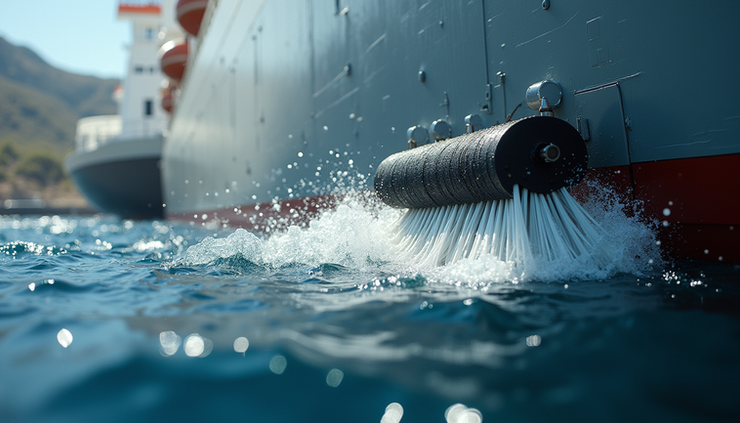
Compatibility with cleaning technologies: Certain anode materials work better with automated hull cleaning systems, reducing damage and improving efficiency.
Case Example: Aluminum Anodes on Commercial Vessels
A commercial shipping company replaced zinc anodes with aluminum on a fleet operating in saltwater. Over 12 months, the vessels showed:
30% reduction in hull fouling
25% lower fuel consumption due to smoother hull surfaces
Fewer dry dock maintenance days
This example highlights how choosing the right zinc replacement can directly impact operational costs and environmental footprint.
Selecting the Right Zinc Replacement for Your Vessel
Choosing the best zinc replacement depends on several factors:
Water type: Saltwater, freshwater, or brackish water conditions affect anode performance.
Vessel usage: Speed, operating area, and maintenance schedule influence material choice.
Environmental regulations: Some regions restrict zinc use due to pollution concerns.
Cost considerations: Initial investment versus long-term savings on maintenance and fuel.
Consulting with marine corrosion experts and testing different materials can help identify the optimal solution.
Practical Tips for Transitioning from Zinc
Inspect existing anodes and hull condition before replacement.
Choose certified anodes compatible with your hull material.
Monitor anode wear regularly to ensure proper protection.
Combine anode replacement with hull cleaning and coating upgrades.
Train maintenance teams on new materials and cleaning procedures.
Final Thoughts on Zinc Replacement and Hull Cleaning
Replacing zinc anodes with effective alternatives can significantly enhance hull cleaning performance. Aluminum and magnesium anodes offer longer protection and better environmental profiles, while hybrid systems provide innovative fouling resistance. Selecting the right material tailored to your vessel’s needs reduces maintenance costs, improves fuel efficiency, and supports marine ecosystem health.
Explore zinc replacements as part of your hull maintenance strategy to keep your vessel performing at its best. Regular monitoring and professional advice will ensure you get the most from your investment in hull protection.

Comments