.png)
.png)
.png)

Protecting Your Hull: The Impact of Gulf Coast Water Quality
Boaters and marine enthusiasts along the Gulf Coast know that the water here is both a playground and a challenge. While the Gulf offers beautiful scenery and abundant marine life, its unique water quality can affect your boat’s hull in ways you might not expect. Understanding these effects is key to protecting your investment and ensuring your vessel stays in top condition.

How Gulf Coast Water Quality Affects Your Hull
The Gulf Coast’s water quality varies due to factors like salinity, temperature, pollution, and biological activity. These elements combine to create conditions that can accelerate hull damage if not properly managed.
Salinity Levels
The Gulf Coast has brackish water in many areas, where freshwater mixes with seawater. This variation in salinity can cause corrosion on metal parts of the hull and promote the growth of certain organisms that attach to the surface.
Temperature Fluctuations
Warm water temperatures encourage faster growth of algae, barnacles, and other marine organisms. These can cling to your hull, increasing drag and reducing fuel efficiency.
Pollutants and Runoff
Urban and agricultural runoff introduces chemicals and nutrients into the water. These substances can alter the water’s chemistry, sometimes making it more corrosive or encouraging harmful biofouling.
Common Hull Problems Caused by Gulf Coast Waters
Boat owners often face several issues related to water quality:
Biofouling
This is the accumulation of organisms like algae, barnacles, and mussels on the hull. Biofouling increases drag, reduces speed, and raises fuel consumption. It also leads to more frequent cleaning and maintenance.
Corrosion
Saltwater and brackish water can corrode metal components such as propellers, shafts, and fasteners. Corrosion weakens these parts and can cause costly repairs.
Osmotic Blistering
Water can penetrate the hull’s gel coat and cause blisters. This happens when water quality and hull materials interact unfavorably, leading to damage that requires professional repair.
Practical Steps to Protect Your Hull
Protecting your hull from the effects of Gulf Coast water quality involves regular maintenance and smart choices:
Regular Cleaning
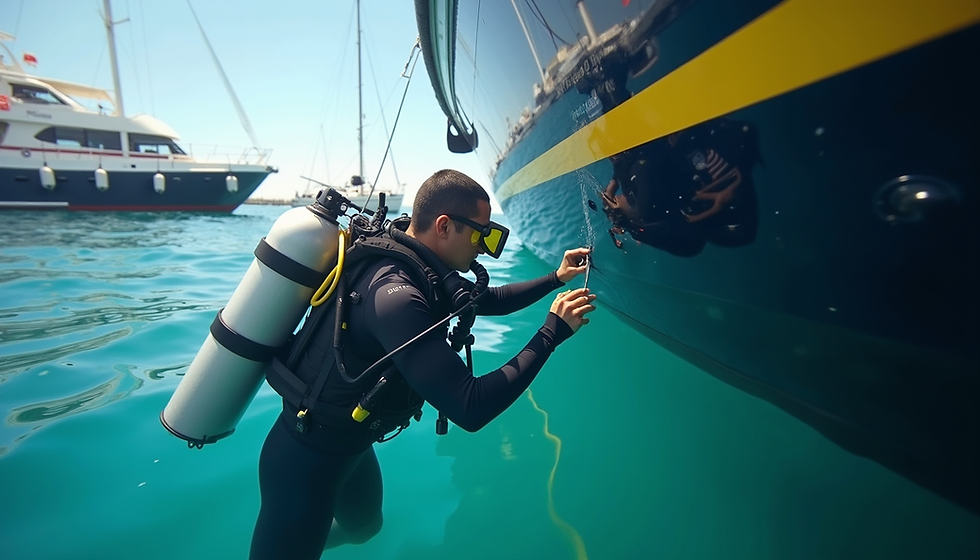
Wash your hull frequently to remove salt, algae, and other deposits. Use fresh water and appropriate cleaning products designed for marine use.
Apply Antifouling Paint
Choose antifouling paint suited for Gulf Coast conditions. These paints prevent organisms from attaching and reduce biofouling.
Inspect and Repair Promptly
Check your hull for signs of corrosion, blisters, or damage after each trip. Early detection helps avoid expensive repairs.
Use Sacrificial Anodes
Install zinc or aluminum anodes to protect metal parts from corrosion. Replace them as needed to maintain effectiveness.
Store Properly
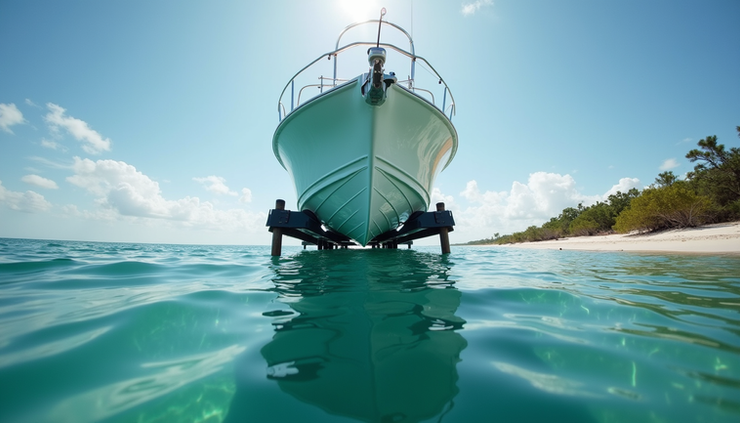
When not in use, keep your boat out of the water if possible. Dry storage or using a lift reduces exposure to harmful water conditions.
Why Understanding Local Water Quality Matters
Each region has its own water characteristics, and the Gulf Coast is no exception. By understanding local water quality, boat owners can:
Choose the right maintenance products
Schedule cleaning and inspections effectively
Prevent long-term damage that reduces boat value
Local marine supply stores and boatyards often provide advice tailored to Gulf Coast conditions. Taking advantage of this expertise can save time and money.
Comments