.png)
.png)
.png)

The Importance of Maintaining a Regular Hull Cleaning Schedule
Keeping a boat’s hull clean is more than just a matter of appearance. The condition of the hull directly affects a vessel’s performance, fuel efficiency, and longevity. Skipping or delaying hull cleaning can lead to costly repairs and reduced safety on the water. This post explains why maintaining a regular hull cleaning schedule matters and offers practical advice to help boat owners protect their investment.
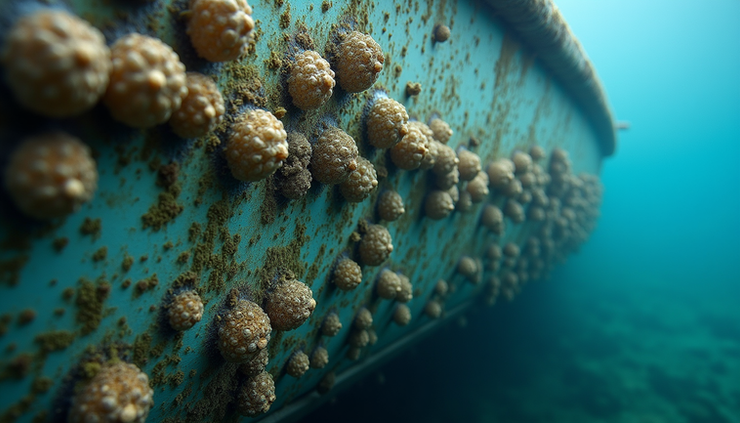
How Marine Growth Affects Your Boat
Marine organisms such as algae, barnacles, and mussels attach themselves to the hull. This buildup, known as biofouling, creates drag that slows the boat down. Increased drag means the engine has to work harder, which leads to:
Higher fuel consumption
Reduced speed and maneuverability
Increased wear on engine and propulsion systems
For example, studies show that a hull with heavy fouling can increase fuel consumption by up to 40%. This not only raises operating costs but also increases emissions, impacting the environment.
The Risks of Neglecting Hull Cleaning
Ignoring hull maintenance can cause more than just performance issues. Over time, marine growth can damage the hull’s surface, leading to corrosion and structural weakening. This damage may require expensive repairs or even hull replacement.
Additionally, a dirty hull can affect safety. Reduced speed and handling can be dangerous in rough waters or emergency situations. In some regions, boats with excessive fouling may face fines or restrictions due to environmental regulations.
Benefits of a Regular Cleaning Schedule
Scheduling hull cleaning at consistent intervals helps prevent the buildup of marine growth before it becomes a problem. Benefits include:
Improved fuel efficiency: A clean hull reduces drag, saving fuel and money.
Better performance: The boat moves faster and handles more responsively.
Longer hull life: Regular cleaning prevents corrosion and damage.
Compliance with regulations: Staying on top of cleaning avoids penalties.
Environmental protection: Removing invasive species helps protect local ecosystems.
For example, many boat owners find that cleaning their hull every 3 to 6 months strikes a good balance between cost and effectiveness, depending on water conditions and usage.

How to Set Up Your Hull Cleaning Schedule
To create an effective cleaning routine, consider these factors:
Water type: Saltwater environments tend to cause faster fouling than freshwater.
Boat usage: Frequent use may require more regular cleaning.
Hull material and coating: Some coatings resist growth better than others.
Local regulations: Check for any rules about cleaning frequency or methods.
Start by inspecting the hull monthly, especially during peak boating seasons. If you notice visible growth or performance drops, schedule cleaning promptly. Many boat owners combine hull cleaning with other maintenance tasks like propeller checks or anode replacement.
DIY vs. Professional Cleaning
Boat owners can choose between cleaning the hull themselves or hiring professionals. Each option has pros and cons:
DIY cleaning:
- Lower cost
- Immediate attention possible
- Requires proper tools and knowledge to avoid damage
Professional cleaning:
- Expertise ensures thorough and safe cleaning
- Access to specialized equipment
- May include hull inspection and minor repairs
For example, professional services often use environmentally friendly cleaning products and techniques that protect the hull coating and surrounding water.
Tips for Maintaining a Clean Hull Between Cleanings
Between scheduled cleanings, boat owners can take simple steps to slow fouling:
Rinse the hull with fresh water after each use, especially in saltwater.
Use antifouling paint suited to your boat and water conditions.
Store the boat out of water when possible, such as on a trailer or dry dock.
Inspect the hull regularly for early signs of growth or damage.
These practices help extend the time between cleanings and keep the hull in better condition.

Comments