.png)
.png)
.png)

Combatting Barnacles to Boost Your Fuel Economy
Barnacles might seem harmless, but they can seriously damage your boat’s fuel efficiency. These tiny sea creatures latch onto your hull and create drag, forcing your engine to work harder and burn more fuel. If you own a boat or operate marine vessels, understanding how barnacles affect fuel economy and learning ways to prevent and remove them can save you money and improve performance.

How Barnacles Affect Fuel Economy
Barnacles are crustaceans that attach themselves to submerged surfaces, including boat hulls. When barnacles accumulate, they create rough patches on the hull, increasing water resistance. This resistance, known as drag, forces the boat’s engine to use more power to maintain speed.
Increased drag reduces speed and increases fuel consumption. Studies show that heavy barnacle growth can increase fuel use by up to 30%.
Rough surfaces disrupt smooth water flow. This turbulence slows the vessel and demands more engine output.
More frequent refueling and higher operating costs. Over time, the extra fuel burned adds up to significant expenses.
Ignoring barnacle buildup can also lead to long-term damage to the hull’s protective coatings, increasing maintenance costs.
Signs Your Boat Has a Barnacle Problem
Detecting barnacles early helps prevent fuel economy losses. Look for these signs:
Slower speeds at usual throttle settings. If your boat feels sluggish, barnacles might be the cause.
Visible rough patches or white crusts on the hull. Inspect your boat regularly, especially after long periods in water.
Increased fuel consumption without changes in usage. Track your fuel logs and compare over time.
Noise or vibration changes. Barnacles can cause uneven hull surfaces that affect engine performance.
Regular hull inspections during cleaning or maintenance can catch barnacle growth before it becomes severe.
Effective Ways to Prevent Barnacle Growth
Prevention is the best way to protect your fuel economy. Here are practical steps to keep barnacles off your boat:
Use antifouling paint. These specialized coatings contain biocides that discourage barnacles and other marine growth. Reapply as recommended by the manufacturer.
Keep your boat out of water when not in use. Dry storage or lifting the boat reduces exposure to barnacle larvae.
Rinse your hull after each use. Freshwater rinses remove larvae before they attach.
Regularly clean the hull. Use brushes or pressure washers to remove early growth.
Consider ultrasonic antifouling systems. These devices emit sound waves that prevent barnacle attachment without chemicals.
Combining these methods provides the best protection and helps maintain smooth hull surfaces.

Removing Barnacles Safely and Efficiently
If barnacles have already attached, removing them carefully is crucial to avoid damaging the hull:
Manual scraping. Use plastic or wooden scrapers to gently remove barnacles. Avoid metal tools that can scratch the hull.
Pressure washing. High-pressure water jets can dislodge barnacles but should be used cautiously to prevent coating damage.
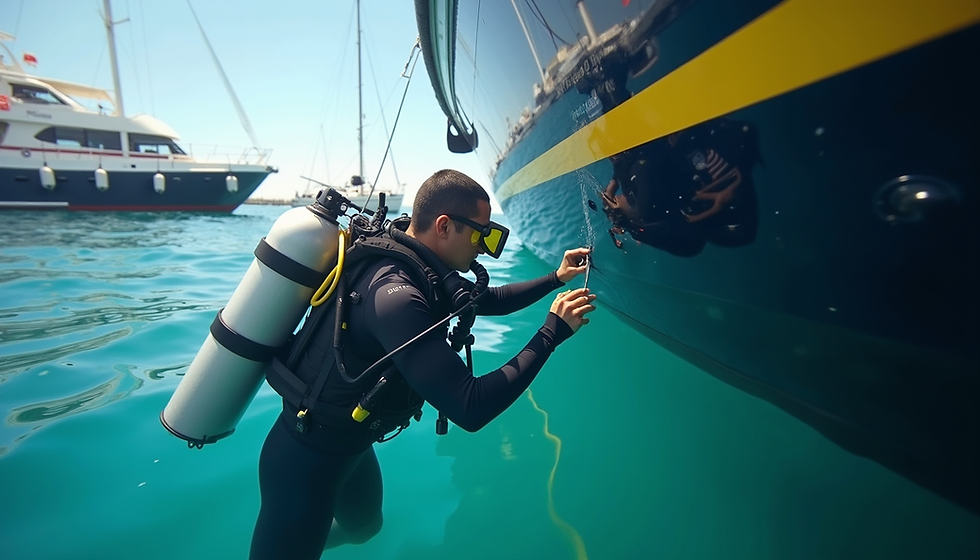
Professional hull cleaning. For heavy infestations, hire experts who use specialized equipment and techniques.
Chemical treatments. Some products dissolve barnacles but require careful handling and environmental considerations.
After removal, inspect the hull for damage and apply antifouling paint to prevent reattachment.
Benefits of Keeping Your Hull Barnacle-Free
Maintaining a clean hull offers several advantages beyond fuel savings:
Improved speed and handling. A smooth hull glides through water more easily.
Lower engine wear. Reduced drag means less strain on your motor.
Environmental benefits. Using less fuel reduces emissions and your carbon footprint.
Longer hull lifespan. Preventing barnacle damage protects your boat’s structure and coatings.
Boat owners who regularly manage barnacle growth report noticeable improvements in performance and cost savings.
Final Thoughts on Barnacles and Fuel Economy
Barnacles may be small, but their impact on fuel economy is significant. Regular inspection, prevention, and removal keep your boat running efficiently and save money on fuel and maintenance. Start by checking your hull today, apply antifouling paint, and schedule routine cleanings. Taking these steps ensures your vessel stays fast, fuel-efficient, and ready for the water.
Comments